Padel Balls vs Tennis Balls: What's the Difference?
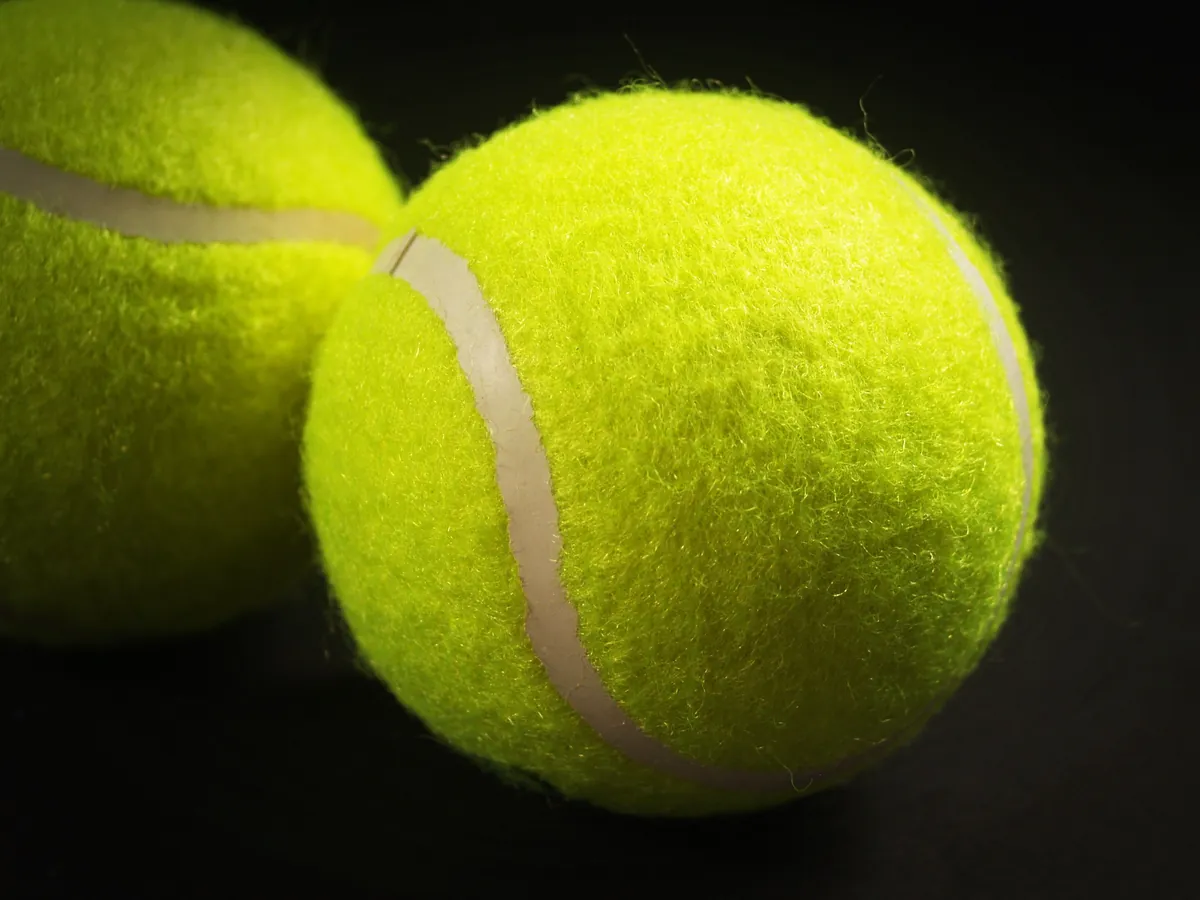
Padel and tennis balls look almost identical. For the sport itself, see what is padel tennis. The official specifications show how close they are.
| Specification | Padel ball (FIP) | Tennis ball (ITF Type 2, medium) |
|---|---|---|
| Diameter | 6.35–6.77 cm | 6.54–6.86 cm |
| Weight | 56.0–59.4 g | 56.0–59.4 g |
| Rebound | 135–145 cm (dropped from 2.54 m) | 135–147 cm |
| High-altitude version | Yes: rebound 121.92–135 cm above 1,000 m | Separate high-altitude ball types exist |
| Colour | White, yellow or another colour with clear contrast | White or yellow |
Pickleball uses a much lighter, holed plastic ball; see padel vs pickleball.
Why it matters on court
- A padel ball’s maximum diameter (6.77 cm) is below a tennis ball’s (6.86 cm), and its maximum rebound (145 cm) is lower than a tennis ball’s (147 cm).
- On a 20 m enclosed court, where the ball comes back off the glass, even small differences in bounce change timing.
- Balls go flat. Pressurised balls lose bounce over time, and that shows most in rallies off the back glass.
For coaches: keep match balls and drill balls separate, and label tubes with the date opened. Old, flat balls dampen glass rebounds and teach players the wrong timing for wall shots.
Frequently asked questions
Can you use tennis balls for padel?
For casual practice, maybe. Tennis balls may be slightly larger than the padel limit, and they bounce differently off the glass, so use proper padel balls for matches and anything played under FIP rules.
Are padel balls smaller than tennis balls?
Slightly. Padel balls are 6.35–6.77 cm in diameter, while ITF Type 2 tennis balls are 6.54–6.86 cm. The weight range is the same.